Top 5 materials revolutionizing industrial components
Đánh giá tính chất cơ lý của hợp kim nhôm 7075-T6, thép không gỉ Duplex, nhựa kỹ thuật PEEK, sợi Carbon Composite và gốm kỹ thuật Silicon Nitride.
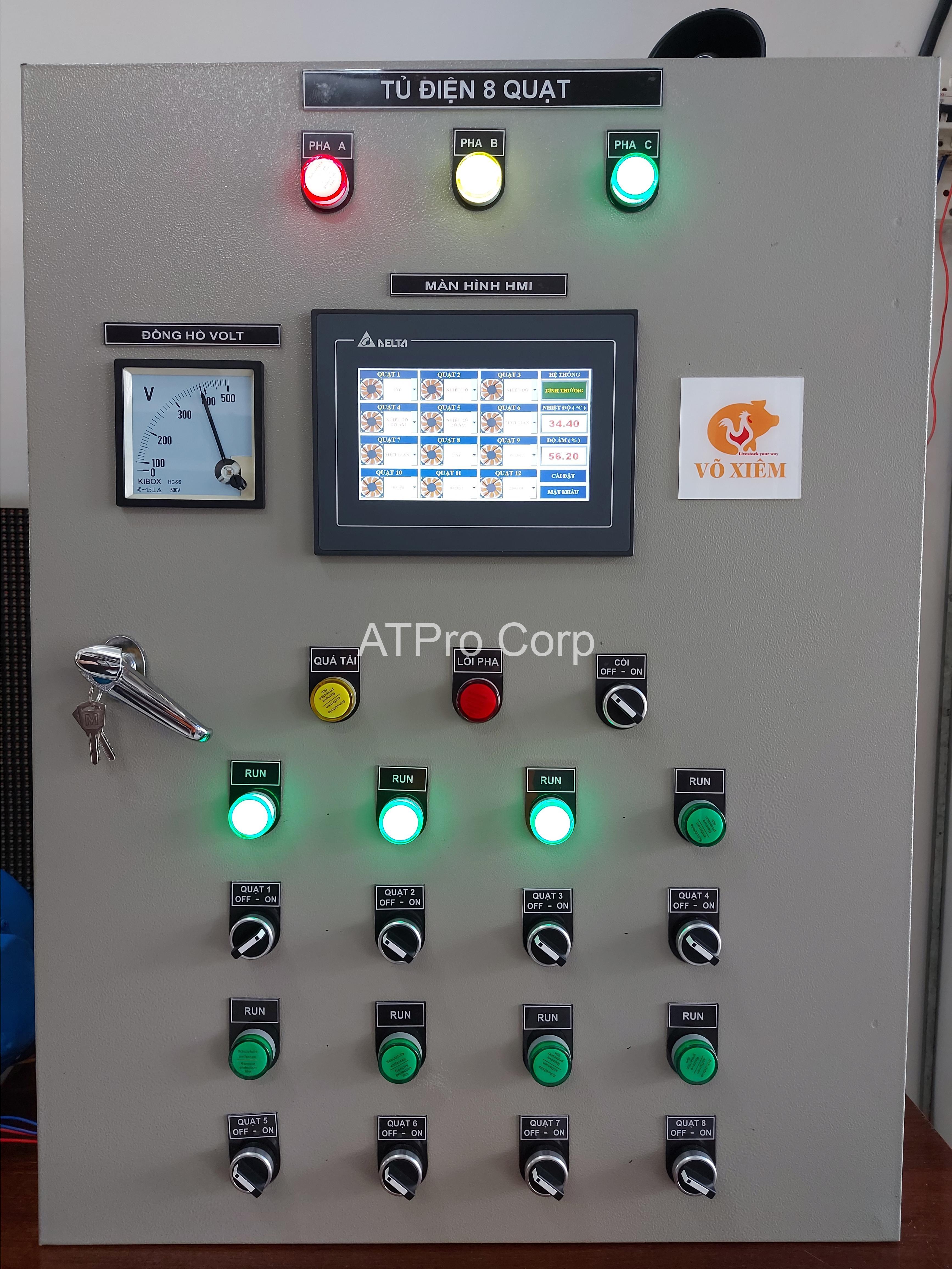
Modern manufacturing facilities are undergoing rapid transformations driven by edge computing, smart drives, and intelligent PLCs. By deploying time-synchronized deterministic fieldbus networks and standardized object-oriented software architectures, plant managers can dramatically compress commissioning cycles while unlocking microsecond-level accuracy.
When high-speed motion controllers communicate natively with precision servo drives and AI vision inspection cameras, defect detection happens in-flight without interrupting conveyor throughput. Real-time power quality meters continuously measure energy consumption, instantly flagging harmonic distortions or mechanical overheating before unexpected downtime can occur.
“True efficiency in manufacturing is not measured by speed alone, but by the harmony of human ingenuity and machine precision. It is the relentless pursuit of smarter processes, sustainable practices, and innovative solutions that transforms ordinary production into extraordinary results.”
Automation is no longer a choice—it is the foundational engine of modern industrial competitiveness. With certified components, standardized wiring diagrams, and seasoned engineering support, industrial enterprises can turn everyday operational challenges into decisive technological advantages.